Why Bad Bunny’s Grammy Speech Offended Gary

- Bad Bunny delivered his acceptance speech partly in Spanish, connecting with Puerto Rican and Latino communities.
- His speech highlighted the influence of Spanish-language music and the experiences of immigrants and marginalized groups.
- The reaction to his speech reflects ongoing debates about diversity and inclusion in the music industry.
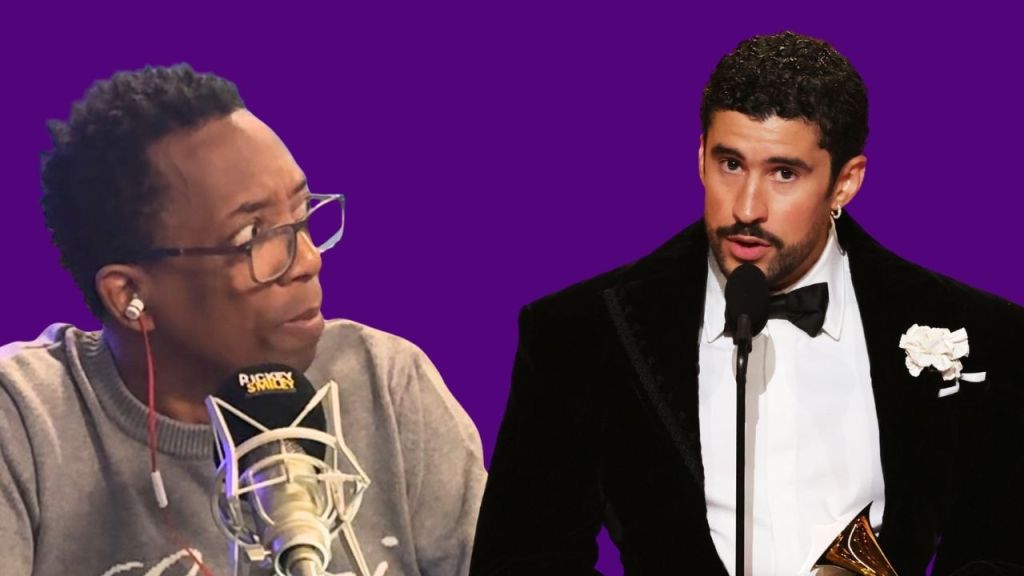
When Bad Bunny stepped onto the Grammy stage to accept Album of the Year, he didn’t just make music history — he ignited a national conversation. His win for Debí Tirar Más Fotos marked the first time a Spanish-language album earned the top honor at the Grammy Awards. But it was his acceptance speech that truly stole the spotlight.
Text “RICKEY” to 71007 to join the Rickey Smiley Morning Show mobile club for exclusive news. (Terms and conditions).
Bad Bunny opened his speech in Spanish, speaking directly to Puerto Rico with pride and emotion. “Puerto Rico, believe me when I tell you that we are much bigger than 100 by 35,” he said, referencing the island’s small physical size but powerful cultural influence. He continued by thanking the Academy and his supporters, then added a deeply personal message: “Thank you mami for giving birth to me in Puerto Rico, I love you.”
He later switched to English to broaden his message and connect with audiences beyond the island. “I want to dedicate this award to all the people who had to leave their homeland to follow their dreams,” he said, drawing applause from the crowd.
While many viewers celebrated the moment, radio personality Gary publicly took issue with Bad Bunny delivering most of the speech in Spanish, saying it left some audiences confused or disconnected. That reaction immediately sparked backlash online.
LIKE US ON FACEBOOK. FOLLOW US ON TWITTER AND INSTAGRAM. SUBSCRIBE TO OUR YOUTUBE.
Fans and cultural commentators were quick to defend the artist, arguing that his choice of language was intentional and powerful. Supporters pointed out that Bad Bunny used the global stage to center Spanish-speaking communities at a time when many immigrants feel targeted and marginalized.
The timing made the speech even more meaningful. With immigration enforcement ramped up under President Donald Trump and increased activity from U.S. Immigration and Customs Enforcement, many Latino families have expressed fear and uncertainty. Earlier in the night, Bad Bunny addressed the issue more directly while accepting another award, saying, “Before I say thanks to God, I’m going to say ICE out… We’re not savage, we’re not animals, we’re not aliens. We are humans and we are Americans.”
CLICK HERE TO DOWNLOAD OUR APP AND TAKE US WITH YOU ANYWHERE!
For many fans, speaking Spanish during his biggest career moment was a form of solidarity. Social media quickly filled with praise, with users calling the speech bold, authentic, and necessary. Others noted that Spanish-speaking artists are rarely centered in top Grammy categories, making Bad Bunny’s win — and the way he chose to celebrate it — even more symbolic.
Related Article: MAGA Country Fumes As NFL Commissioner Doubles Down On Bad Bunny Super Bowl Performance
Related Article: 25 Bad Bunny Fashion Moments That Prove He’s A Style Icon
Beyond the debate, one thing is clear: Bad Bunny used his platform to amplify his roots and speak on behalf of communities that often feel unheard. Whether viewed as political, cultural, or deeply personal, his speech ensured that this historic Grammy moment will be remembered long after the applause faded.
HEAD BACK TO THE RICKEYSMILEYMORNINGSHOW.COM HOMEPAGE
Why Bad Bunny’s Grammy Speech Offended Gary was originally published on rickeysmileymorningshow.com