Where Does Ye's Black Fanbase Currently Stand?
Where Does Ye's Black Fanbase Currently Stand?

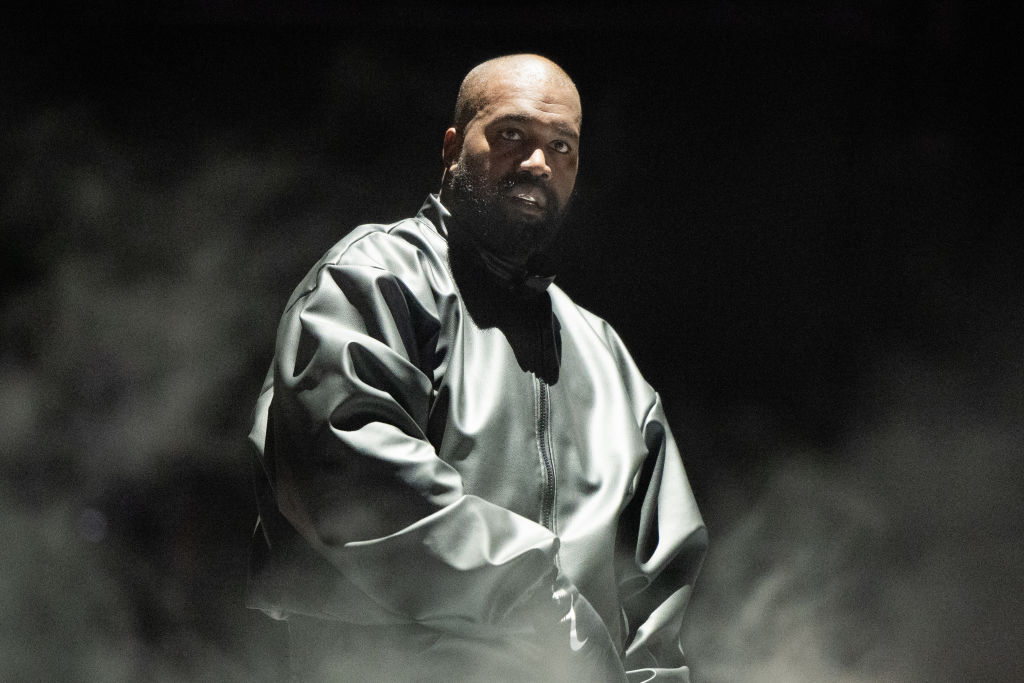
Ye is clearly still Ye in the one way that keeps shocking people: the pull is still there. His April 3 show at SoFi Stadium in Inglewood was announced as his only Los Angeles performance, tied to the rollout for Bully, and the demand was immediate. Reports tied to the onsale said more than 1 million people hit the queue trying to get in, which is wild when you remember SoFi seats roughly 70,000 and can expand to around 100,000. That disconnect is the headline before you even get to the music: whatever damage Ye has done to his reputation, he still has a huge audience willing to spend real money to see him.
But that comeback energy is running straight into the reality of what Ye has spent the last few years saying and doing. Jewish leaders and anti-hate groups are not looking at this concert like some innocent return-to-form moment; they’re looking at it as a test of whether the culture has already decided to move on from antisemitism because the artist is famous enough. ADL said in 2025 that Ye’s online tirades were “a flagrant and unequivocal display of hate,” and noted that antisemitic incidents had previously been linked to his rhetoric. More recently. Jewish community voices in Los Angeles argued that his January 2026 apology has not yet been matched by the sustained action that would demonstrate real change.
That apology is a big part of why this story feels so messy. In January, Ye took out a full-page Wall Street Journal ad apologizing for years of antisemitic behavior, and in a Vanity Fair interview, he said the remorse was “weighing on” him and that he owed “a huge apology” to both Jewish and Black communities. He tied his behavior to mental health struggles and what he described as a long-misunderstood brain injury, saying he was committed to accountability, treatment, and meaningful change. The problem is that apologies from Ye have come before, and because the harm was so public and so ugly, a lot of people are not grading him on words anymore; they’re grading him on proof.
That is where the Black fanbase question gets real, because Black listeners are not a single voting bloc with a shared feeling about Kanye. For some, Ye is still a genius whose catalog is too important to throw away, a once-in-a-generation artist whose work soundtracked their childhood, college years, heartbreak, ambition, all of that. For others, the line has already been crossed, and crossed again, especially because antisemitism does not exist in a vacuum and because Ye himself said in his January comments that he had hurt Black people too. So the tension is not just “can people separate art from artist?” It is also “what does loyalty look like when somebody you once claimed keeps putting ugly things into the world?”
And the numbers make that moral tension harder, not easier. When presale tickers are reportedly starting in the hundreds and there are still massive queues, it tells you this is bigger than a niche group of diehards trying to relive Graduation. It suggests that Ye still has mainstream curiosity, controversy-driven attention, and a real paying fanbase, all at once. That doesn’t mean everybody in that line is cosigning his past remarks, but it does mean the marketplace has a way of blurring the line between interest and endorsement, and that is exactly why critics are so heated about SoFi giving him one of the biggest stages in the country.
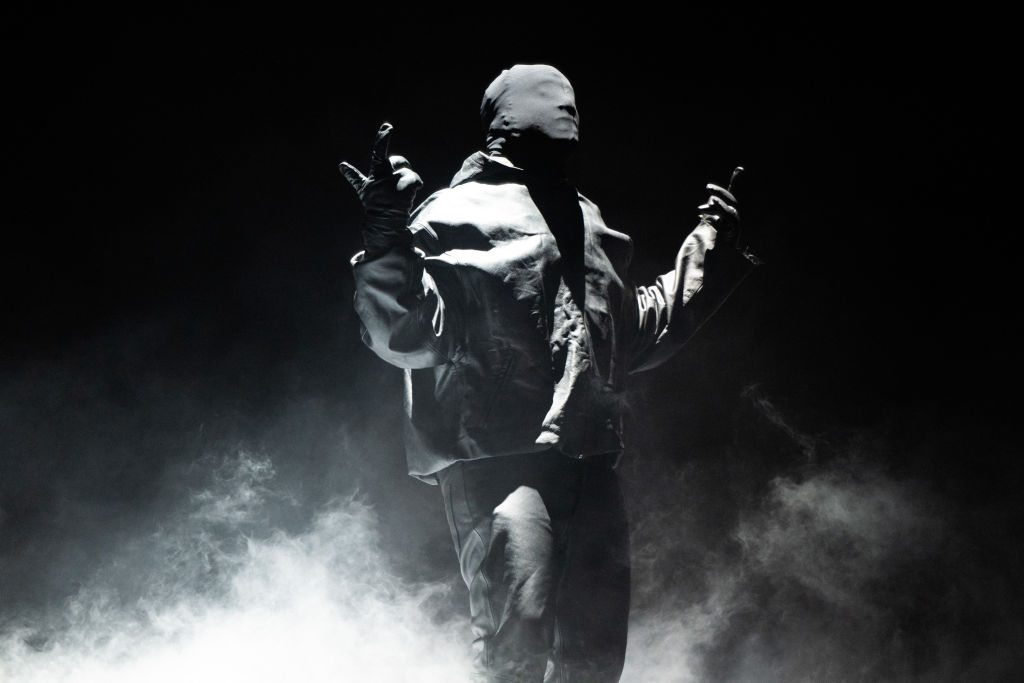
So where does that leave his Black fanbase? Somewhere uncomfortable and very familiar: caught between cultural memory and moral clarity. Ye’s music still means something in Black life, Black creativity, Black fashion, and Black ambition, but that history does not erase the damage caused by the rhetoric that followed. If he really wants a comeback that means more than sold-out sections and viral queue screenshots, then the job is bigger than putting on a massive show in LA; it is showing, over time, that repentance is real and not just part of another rollout. Until then, a lot of Black fans are going to stay split between nostalgia, disgust, curiosity, and exhaustion — and honestly, all of those reactions make sense.
See how social media is reacting below.
Where Does Ye's Black Fanbase Currently Stand? was originally published on cassiuslife.com