Will the Iran Conflict Send Gas Prices Higher Again?

- Diplomatic agreement to ease tensions has fallen apart, with no breakthrough in negotiations.
- Dispute over control of Strait of Hormuz, a critical global oil and gas shipping route, remains a sticking point.
- Prolonged disruptions to oil transportation could lead to higher fuel costs worldwide.
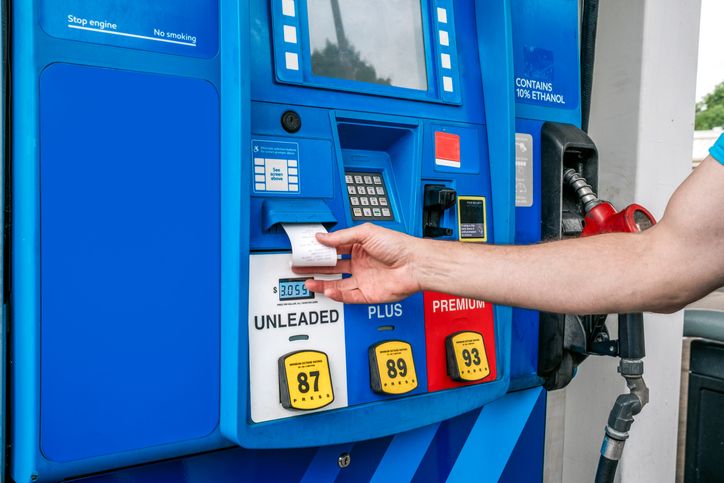
A diplomatic agreement that was supposed to ease tensions between the United States and Iran has fallen apart, leaving the two countries at a standstill and increasing concerns about the price Americans could soon pay at the gas pump.
Text “RICKEY” to 71007 to join the Rickey Smiley Morning Show mobile club for exclusive news. (Terms and conditions).
In June, President Donald Trump signed an interim agreement with Iran at Versailles that called for military operations to stop and gave both sides 60 days to negotiate a permanent end to the conflict. That deadline has now passed without a breakthrough, and negotiations appear to be farther apart than when the agreement was first announced.
One of the biggest sticking points remains the Strait of Hormuz, one of the world’s most important shipping routes for oil and natural gas. Before the conflict, roughly one-fifth of the world’s traded oil and gas moved through the narrow waterway. Since fighting began, shipping traffic has dropped significantly, creating uncertainty in global energy markets.
Iran has insisted that any agreement must include lifting the U.S. blockade on its ports, removing American military forces from around the region and providing compensation for damage caused during the war. Iranian officials have also argued they should have greater control over the Strait of Hormuz, including the possibility of charging fees for ships passing through.
LIKE US ON FACEBOOK. FOLLOW US ON TWITTER AND INSTAGRAM. SUBSCRIBE TO OUR YOUTUBE.
The Trump administration has rejected those demands, maintaining that economic pressure and existing sanctions remain the best way to force Iran back to the negotiating table. The administration has also restored restrictions on Iran’s oil exports after accusing Tehran of violating the original agreement.
While large-scale fighting has slowed, the diplomatic standoff continues. Pakistan, which helped broker the June agreement, recently expressed hope that negotiations could resume even though the original deadline has expired.
The ongoing conflict has also affected other major shipping routes. Iran-backed Houthi rebels have launched attacks on Saudi oil tankers traveling through the Red Sea, adding another layer of concern for global trade and energy supplies.
CLICK HERE TO DOWNLOAD OUR APP AND TAKE US WITH YOU ANYWHERE!
Economists say prolonged disruptions to oil transportation often lead to higher fuel costs around the world. If fewer tankers can safely move through key waterways, oil prices typically rise, and those increases can eventually be reflected in gasoline prices across the United States.
Related Article: Top 15 States With The Highest Gas Prices Right Now (May 2026)
Related Article: Inflation Hit Highest 1 Month Spike In 4 Years Due To Iran War
At the same time, Iran continues to face severe economic pressure from sanctions and the ongoing conflict, with inflation remaining high inside the country.
For now, neither Washington nor Tehran appears willing to back down. Until both sides return to meaningful negotiations, uncertainty over the Strait of Hormuz is likely to remain, leaving consumers and businesses watching closely to see whether another jump in gas prices is on the horizon.
HEAD BACK TO THE RICKEYSMILEYMORNINGSHOW.COM HOMEPAGE
Will the Iran Conflict Send Gas Prices Higher Again? was originally published on rickeysmileymorningshow.com


